Neurological problems can affect a person’s movement, memory, speech, balance, and overall quality of life. Conditions involving the brain, spine, and nerves may require specialised evaluation by a neurosurgeon. For patients searching for the best neurosurgeon in Chhatrapati Sambhajinagar (Aurangabad), understanding the available treatment options and knowing when to seek medical attention are important first steps.
What Does a Neurosurgeon Do?
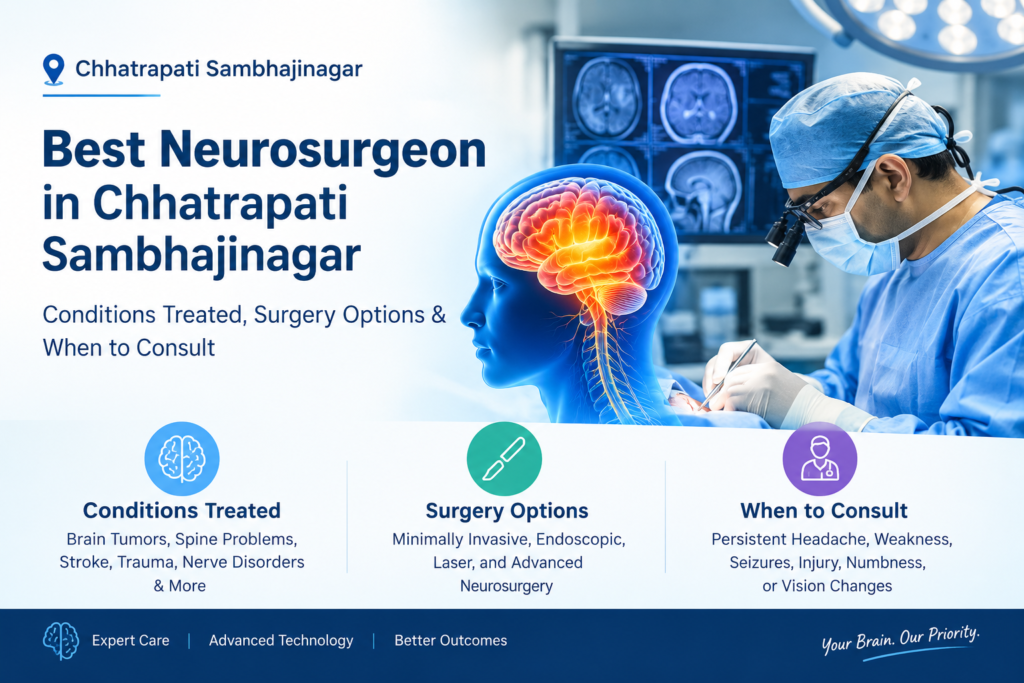
A neurosurgeon is a specialist trained to diagnose and treat conditions affecting the brain, spinal cord, spine, and peripheral nerves. Neurosurgical treatment may involve medicines, observation, minimally invasive procedures, or open surgery, depending on the diagnosis.
Not every neurological problem requires surgery. A detailed clinical examination and appropriate investigations help determine the safest and most effective treatment.
Conditions Treated by a Neurosurgeon
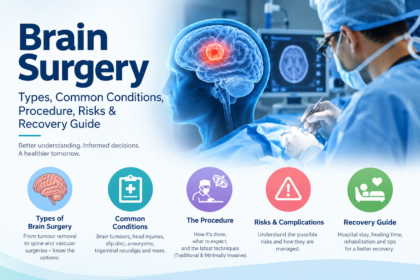
1. Brain Tumours
Brain tumours may be benign or malignant. Symptoms depend on the location, size, and growth of the tumour.
Common symptoms include:
- Persistent or progressively worsening headaches
- Seizures or fits
- Weakness in an arm or leg
- Changes in speech, vision, memory, or behaviour
- Difficulty maintaining balance
Treatment may involve observation, surgery, biopsy, radiotherapy, or other specialised treatments depending on the tumour type.
2. Head Injuries and Brain Haemorrhage
Road traffic accidents, falls, and other injuries can cause bleeding or swelling inside the skull. Conditions such as epidural haematoma, subdural haematoma, and certain intracerebral haemorrhages may require urgent neurosurgical assessment.
Warning signs include loss of consciousness, repeated vomiting, increasing drowsiness, seizures, confusion, or weakness after a head injury.
A serious head injury is a medical emergency. Do not wait for symptoms to worsen before seeking emergency care.
3. Slip Disc and Sciatica
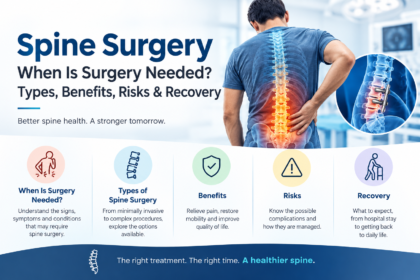
A herniated or slipped disc occurs when disc material presses on a nearby nerve. It can cause back pain, neck pain, pain radiating into the leg or arm, tingling, numbness, or weakness.
Many patients improve with medication, physiotherapy, activity modification, and other non-surgical treatments. Surgery may be considered when symptoms persist despite appropriate treatment or when significant nerve compression causes progressive weakness or other serious neurological symptoms.
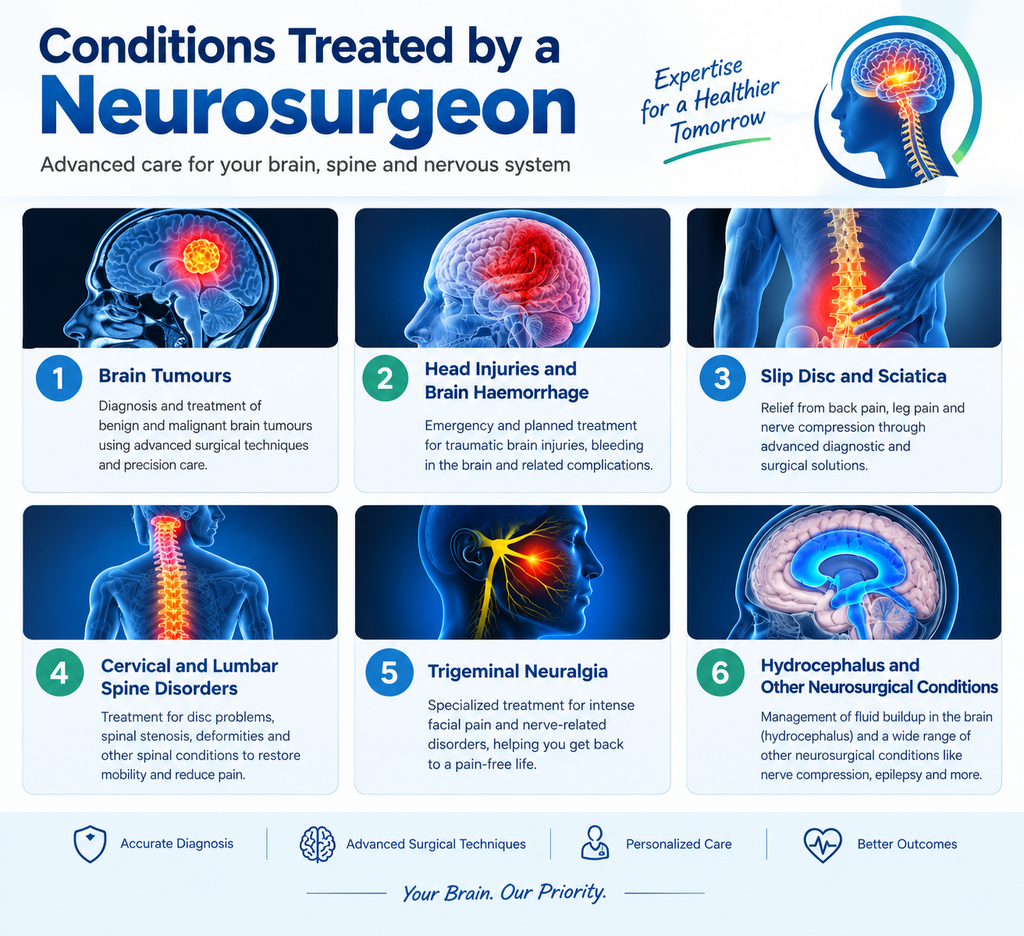
4. Cervical and Lumbar Spine Disorders
Degenerative changes in the spine can cause disc prolapse, spinal canal stenosis, nerve compression, and sometimes spinal cord compression.
A neurosurgeon may recommend conservative treatment, decompression surgery, discectomy, spinal fusion, or a suitable minimally invasive procedure depending on the condition.
5. Trigeminal Neuralgia
Trigeminal neuralgia causes sudden, severe, electric-shock-like pain on one side of the face. Pain may be triggered by chewing, talking, brushing teeth, or touching the face.
Medication is generally the initial treatment. When medicines fail to provide adequate relief or cause unacceptable side effects, procedures such as microvascular decompression or other targeted treatments may be considered for suitable patients.
6. Hydrocephalus and Other Neurosurgical Conditions
Hydrocephalus occurs when cerebrospinal fluid accumulates abnormally in the brain. Some patients require a procedure such as a shunt or endoscopic third ventriculostomy.
Neurosurgeons also evaluate selected cases of spinal trauma, spinal tumours, infections involving the spine, peripheral nerve compression, and other disorders requiring surgical expertise.
What Types of Neurosurgery Are Available?
The appropriate operation depends on the diagnosis, imaging findings, neurological examination, general health, and expected benefits.
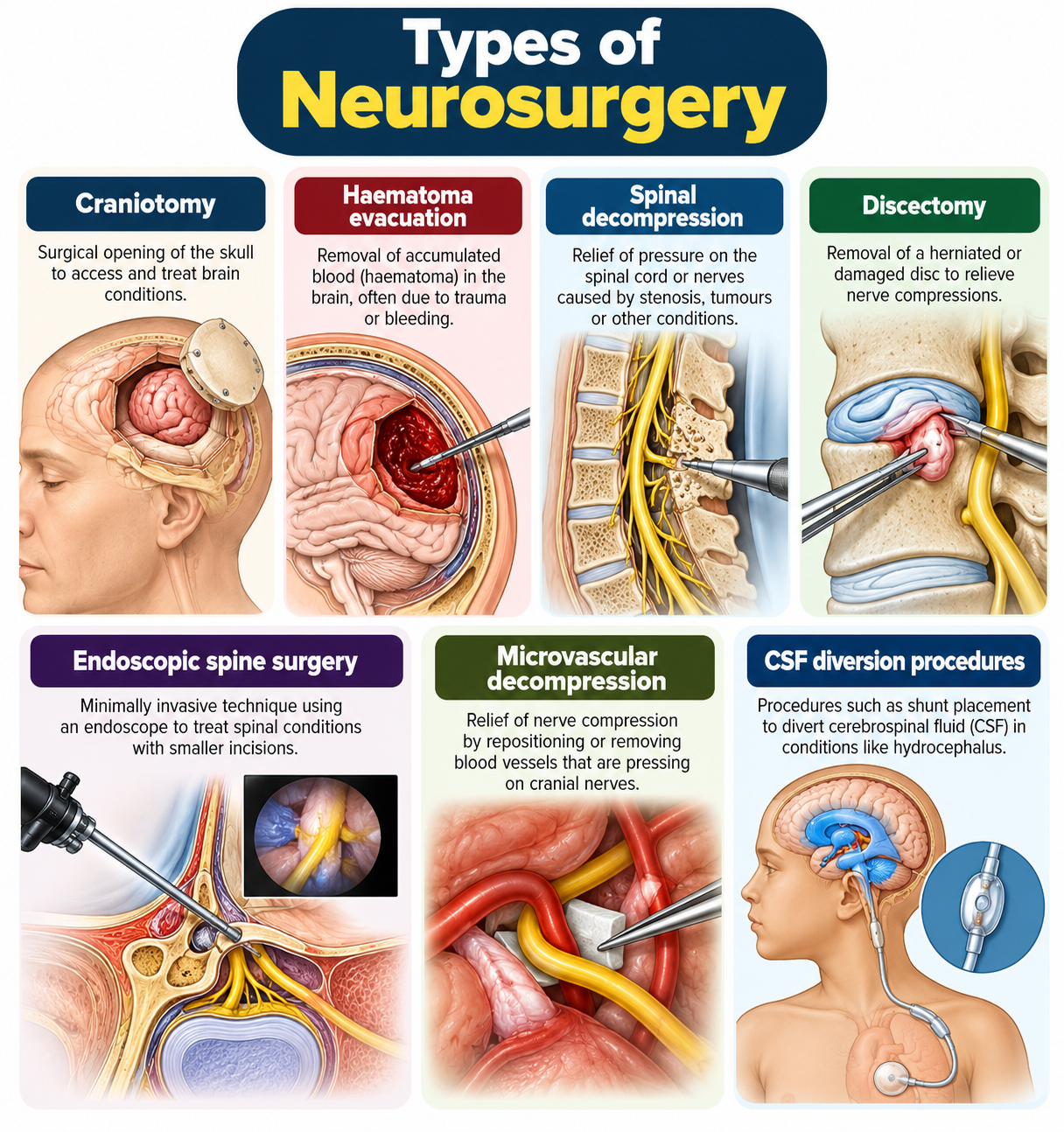
Common procedures include:
- Craniotomy: Opening part of the skull to access a brain lesion or bleeding.
- Haematoma evacuation: Removing a collection of blood when indicated.
- Spinal decompression: Relieving pressure on the spinal cord or nerves.
- Discectomy: Removing the portion of a disc responsible for nerve compression.
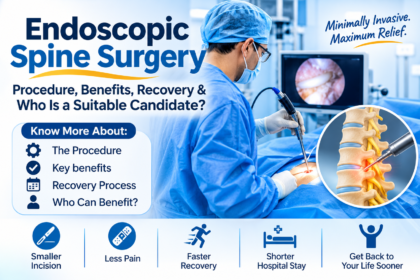
- Endoscopic spine surgery: Using a small camera and specialised instruments through a limited access route in selected spinal conditions.
- Microvascular decompression: Relieving pressure on a nerve caused by an adjacent blood vessel in selected cases.
- CSF diversion procedures: Treating certain cases of hydrocephalus.
Not every technique is suitable for every patient. The choice should be based on clinical indications rather than the name or size of the incision alone.
When Should You Consult a Neurosurgeon?
Consider a neurosurgical consultation if you have:
- Persistent neck or back pain with radiating nerve pain
- Numbness or weakness that is worsening
- MRI findings showing significant disc prolapse or spinal canal narrowing
- A brain or spinal tumour requiring specialist evaluation
- Recurrent facial pain suggestive of trigeminal neuralgia
- A head injury requiring specialist assessment
- Symptoms that persist despite appropriate non-surgical treatment
Seek emergency medical care for sudden weakness on one side, new speech difficulty, sudden severe headache, seizures, reduced consciousness, or severe head injury.
New urinary retention or loss of bladder or bowel control associated with back pain, especially with numbness around the groin or progressive leg weakness, also requires emergency assessment.
How to Choose a Neurosurgeon in Chhatrapati Sambhajinagar (Aurangabad)
When choosing a neurosurgeon, consider the following factors:
1. Relevant qualifications and specialist training: Confirm the surgeon’s qualifications and experience in treating your specific condition.
2. Experience with the proposed procedure: Ask how often the surgeon performs the procedure and what outcomes and complications are relevant to your case.
3. Hospital infrastructure: Emergency services, an appropriately equipped operating theatre, intensive care facilities, and access to imaging are important for many neurosurgical conditions.
4. Clear communication: Your surgeon should explain the diagnosis, alternatives to surgery, expected benefits, potential risks, and recovery plan.
5. Follow-up and rehabilitation: Recovery may require wound care, physiotherapy, rehabilitation, and long-term monitoring.
There is no single surgeon who is automatically the best choice for every condition. The right specialist is one whose training, experience, treatment approach, and available hospital support match your individual needs.
Neurosurgical Care at Life Multispeciality Hospital
Life Multispeciality Hospital and Trauma Center in Chhatrapati Sambhajinagar (Aurangabad) provides neurosurgical and spine care, with facilities including an operating microscope, endoscopic spine surgery equipment, and intensive care support.
Patients can seek evaluation for appropriate brain, spine, nerve-compression, and trauma-related conditions. The recommended treatment depends on the clinical assessment and the facilities required for the particular case.
Frequently Asked Questions
1. Does every slip disc require surgery?
No. Many cases improve with conservative treatment. Surgery is considered when symptoms persist despite appropriate treatment or when significant or progressive neurological deficits require intervention.
2. When is brain surgery necessary?
Brain surgery may be required for selected brain tumours, certain intracranial haemorrhages, hydrocephalus, and other conditions where the expected benefits outweigh the risks.
3. Is endoscopic spine surgery suitable for everyone?
No. It is suitable for selected spinal disorders. The diagnosis, location of compression, spinal stability, and previous treatments influence the decision.
4. Should I consult a neurosurgeon for back pain?
Most uncomplicated back pain can initially be evaluated and treated without surgery. A neurosurgical consultation may be appropriate if pain radiates into a limb, neurological symptoms develop, or imaging identifies a condition requiring specialist assessment.
5. What should I bring to my consultation?
Bring previous prescriptions, medical records, MRI or CT images and reports, investigation results, and a list of current medicines.
Conclusion
Early and accurate diagnosis can help patients make informed decisions about brain, spine, and nerve disorders. If you are looking for a neurosurgical consultation in Chhatrapati Sambhajinagar (Aurangabad), seek a qualified specialist who explains the available treatment options and helps you choose an appropriate plan.
For a neurosurgical consultation, contact Life Multispeciality Hospital and Trauma Center, Chhatrapati Sambhajinagar (Aurangabad).
Medical disclaimer: This article is for general educational purposes and is not a substitute for an individual medical consultation.